
Tijuana is rapidly becoming a hotbed for manufacturing and logistics, and if you’re an owner, CEO, or executive looking to expand or relocate your business here, you’re not alone. The city’s strategic location, right next to the U.S. border, makes / it an ideal choice for companies looking to take advantage of cross-border trade while keeping operational costs low. But before you sign on the dotted line for that perfect warehouse, there are a few things you should know.
Here are the ten most important things to keep in mind before leasing a warehouse in Tijuana. Trust me, number three might save you thousand.
1. Location, Location, Location – Leasing a Warehouse in Tijuana
It sounds like a real estate cliché, but in Tijuana, location is everything. Whether you’re dealing with manufacturing or logistics, the proximity of your warehouse to the U.S. border, major highways, or transportation hubs can make or break your operational efficiency. A few extra miles from a major transit route can mean significant increases in transportation costs, so be smart about where you set up shop.
Pro tip: Think about your supply chain and shipping needs first—choose a location that minimizes travel time for both incoming and outgoing shipments.
2. Infrastructure – Is Your Warehouse Built for the Job?
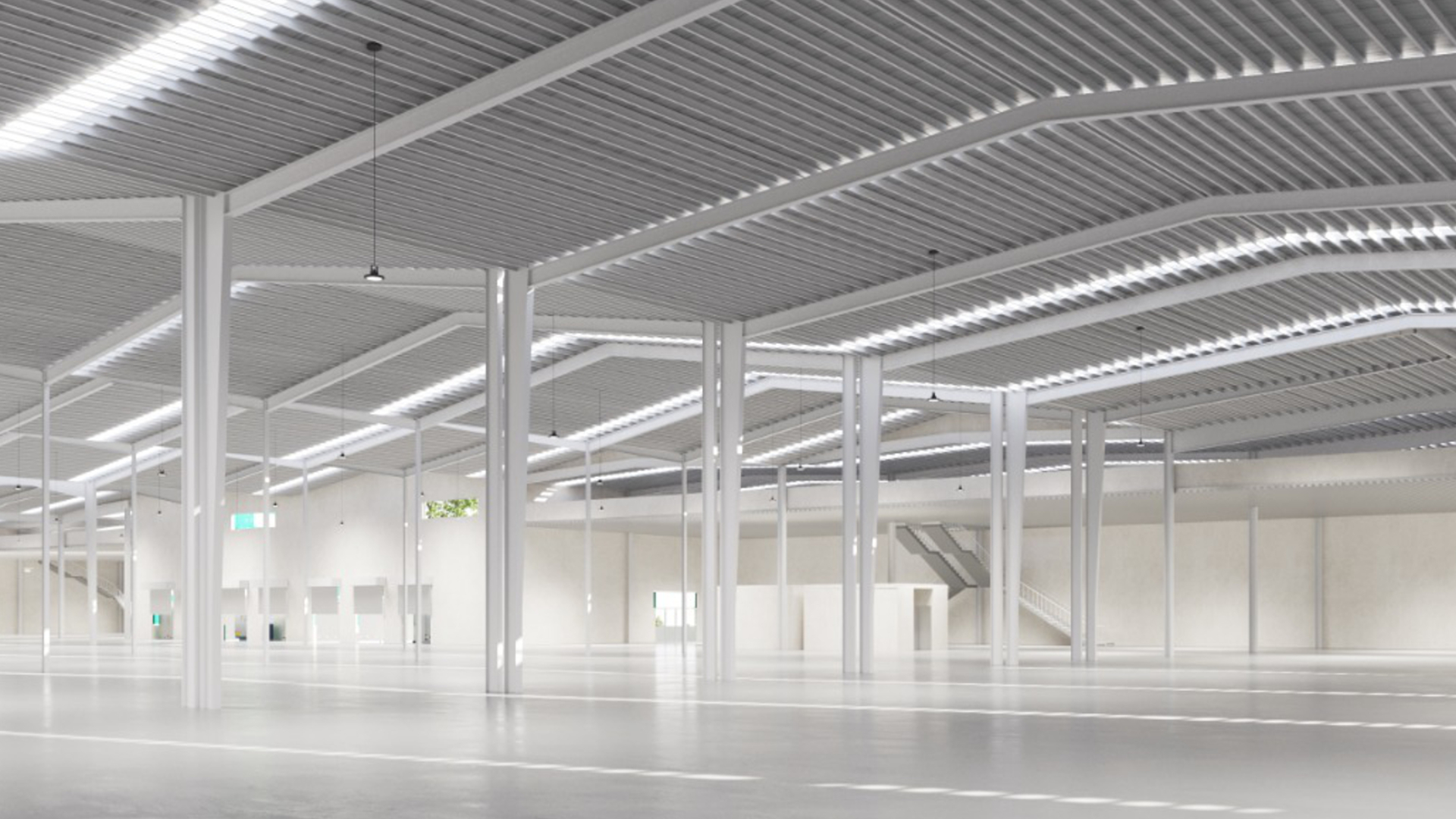
Not all warehouses are created equal. Before signing any lease, assess whether the facility has the infrastructure your operations require. Does it have enough power capacity for your machines? Is the building wired for modern communication systems like fiber-optic internet? These factors are often overlooked but can severely hamper your efficiency down the road.
Pro tip: Bring your operations or facilities manager along for the tour—get their eyes on the property to ensure it’s up to par.
3. Know What’s Hidden in the Lease Terms (The One That Can Cost You Thousands)
Here’s the kicker: lease agreements in Mexico, particularly in Tijuana, can be a little tricky. Make sure to thoroughly review what’s included in the lease. Hidden costs, such as unexpected maintenance fees or charges for improvements, can quickly add up if you’re not careful. One misstep here can cost you thousands, or worse, lock you into an expensive, long-term commitment with little flexibility.
Pro tip: Have a legal expert familiar with Mexican real estate law review the lease before signing. Trust me, the last thing you want is a surprise line item for “additional maintenance fees” on your bill.
4. Understand Local Labor Costs and Availability
Tijuana boasts a strong, skilled labor force, especially in sectors like electronics, medical devices, and automotive manufacturing. However, labor costs can vary greatly depending on your location within the city and the type of work your business requires. You’ll want to factor in both wage rates and the availability of specialized workers in your industry.
Pro tip: Research the local labor market conditions before choosing your location. Some areas have a higher concentration of skilled workers, but they come at a premium.
5. Cross-Border Logistics: Do You Have the Right Access?
For companies relying on cross-border trade, access to ports of entry is critical. Tijuana is close to multiple border crossings, including Otay Mesa and San Ysidro, making it an ideal location for logistics. But beware—traffic congestion and customs processing times can vary dramatically depending on the time of day and which border crossing you use.
Pro tip: Plan for fluctuating border wait times. The closer you are to a well-managed crossing like Otay Mesa, the easier your logistics will be.
6. Zoning and Permits: The Paperwork You Can’t Ignore
Don’t let zoning regulations catch you off guard. Tijuana has various industrial zones, each with specific rules governing what types of businesses can operate there. Make sure your intended use of the warehouse complies with local zoning laws, and double-check that all necessary permits are in place before signing that lease.
Pro tip: Work with a local broker or consultant familiar with Tijuana’s zoning regulations to avoid any unwelcome surprises.
7. Utility Reliability: Water, Power, and Internet—Oh My!
Tijuana has seen tremendous growth, but certain areas still suffer from inconsistent utility services. Make sure the warehouse you’re eyeing has reliable access to electricity, water, and high-speed internet—especially if your operations are power-intensive or require seamless communication with U.S.-based teams.
Pro tip: Ask for recent utility bills from the landlord to get a sense of the service levels and costs associated with the warehouse. It’s better to know now than to find out after you’ve moved in that your operations have ground to a halt because of a power outage.
8. Security: It’s Not Just About Locks and Cameras
Security in Tijuana’s industrial areas can be hit or miss, and depending on the value of the goods stored in your warehouse, you might need more than just a lock and a security camera. Make sure the warehouse is in a secure area with access control measures, 24/7 surveillance, and a trustworthy security team.
Pro tip: Visit the area at different times of day to get a sense of the security risks. Talk to neighboring businesses—they often have firsthand insights into any security challenges.
9. Flexibility Is Key: Does the Lease Allow for Expansion or Modification?
Your business needs can change in a heartbeat. Whether it’s a spike in orders or the introduction of a new product line, you might find yourself needing more space or different warehouse features sooner than expected. Before signing a lease, ask about the flexibility to modify the space or expand within the building.
Pro tip: Look for warehouses that offer the ability to scale up, either by expanding within the same facility or with nearby additional space. This way, your lease won’t be a limiting factor as your business grows.
10. Future-Proofing: Think Beyond Today’s Needs
Tijuana’s industrial sector is growing, and competition for prime real estate is heating up. While you might be tempted to lease a warehouse that fits your current needs, think bigger. Your business could grow exponentially over the next five years, and it’s critical to ensure the facility can handle that growth.
Pro tip: Look for properties that offer room for future expansion, both physically and in terms of lease flexibility. Your warehouse should support—not hinder—your company’s long-term growth.